


Hey there, folks! If you’re into the world of animal care and thinking about dipping your toes into business, let me tell you about monopoly based veterinary PCD pharma company. It’s like getting the keys to your own kingdom in the animal health sector, where you get exclusive rights to sell top-notch products without anyone else from the same company stepping on your turf.
And today, we’re zooming in on Inmed Animal Health, a standout player that’s making waves. I’ll keep it real and chatty, like we’re grabbing coffee and talking shop.
Alright, let’s break it down simple. A monopoly veterinary business in the PCD (that’s Propaganda Cum Distribution) pharma world means a company gives you – the franchise holder – exclusive rights to promote and distribute their veterinary products in a specific area, like a district or state.
No other distributor from that company can sell the same stuff there. It’s not some shady cartel; it’s a smart business model to avoid cutthroat competition and let you build a solid customer base. Think of it as being the only pizza joint in town – you get to serve up those cheesy slices without rivals stealing your customers.
In India, this is huge for veterinary pharma because the animal health market is booming. We’re talking medicines for cows, pets, poultry – you name it. Companies like Inmed Animal Health use this to expand without flooding the market.
So, why go for this? Well, benefits are plenty, and it’s why smart entrepreneurs are jumping in.
Overall, it’s beneficial ’cause India’s veterinary market is growing at 8-10% yearly, and monopoly cuts risks like low investment (just 50k-1 lakh to start) and no sales targets in many cases.
India’s veterinary PCD pharma Franchise business scene is massive – the market’s worth over USD 1.7 billion in 2024 and expected to hit USD 4 billion by 2033, growing at 10% CAGR. Why so big? Rising pet ownership (33 million dogs alone!), livestock for dairy/meat, and government pushes like National Animal Disease Control Program (NADCP) for vaccines.
State-wise, scope is awesome in rural-heavy areas:
| State/Region | Scope Highlights | Why High Potential? |
| Uttar Pradesh | Huge livestock (cows, buffaloes); PCD franchises thrive in districts like Lucknow, Agra. | Top dairy state; demand for feed supplements and antibiotics. |
| Maharashtra | Urban pets + rural farms; Mumbai/Pune for companion animals. | Balanced market; 10% growth in poultry pharma. |
| Punjab & Haryana | Dairy hubs; monopoly rights goldmine for milk boosters. | High vet density; quick ROI in 6 months. |
| Andhra Pradesh & Telangana | Poultry and aqua focus; coastal areas need parasiticides. | Export-oriented; government subsidies boost. |
| Tamil Nadu | Mixed – pets in Chennai, livestock inland. | Tech-savvy vets; online PCD sales rising. |
| Bihar & Rajasthan | Emerging rural markets; low competition. | Untapped; low entry barriers for newbies. |
Pan-India scope? Endless, especially with e-pharma trends. Rural India (70% livestock) is underserved, so PCD franchises can reach via mobile vets. Urban boom in pet care adds 25% to companion animal segment.
As of 2026, things are hot! The industry’s shifting fast:
Monopoly PCD fits perfect – low-cost entry into these trends without R&D hassles.
Based on market share, certifications, and franchise feedback, here’s my take on the top 20. I put Inmed Animal Health at #1 ’cause of their ISO/WHO-GMP certs, 100+ products, and strong monopoly support – they’re killing it in PAN India with low investment and high margins. Why top? Affordable, innovative, and rural-focused, per industry reports.
| Rank | Company Name | Why Top? (Key Strengths) | Monopoly Franchise Highlights |
| 1 | Inmed Animal Health | Wide range (100+ products), ethical practices, R&D focus. | Exclusive rights PAN India; low risk, marketing aid. |
| 2 | Vetnation Pharma | GMP-certified, diverse for livestock/pets. | Monopoly in uncovered areas; 200+ SKUs. |
| 3 | Vee Remedies | Quality injectables, nutraceuticals. | High margins (30-40%), no sales targets. |
| 4 | Vetraise Remedies | ISO/GMP, result-oriented products. | Sole proprietorship model; min investment. |
| 5 | Avosia Vetcare | Herbal/ayurvedic focus, strong R&D. | Exclusive territories; training programs. |
| 6 | Uniray Lifesciences | Pan-India coverage, vet injections. | Monopoly in 20+ states; wide network. |
| 7 | Vetson Healthcare | Affordable, superior quality. | Territory-based exclusives; legal agreements. |
| 8 | Ani Healthcare | Since 2007, vitamins/supplements. | PAN India monopoly; promo support. |
| 9 | Sunvet Pharma | Injection specialists, GMP. | Franchise on monopoly basis; beta-lactam range. |
| 10 | Venation Pharma | Broad portfolio, monopoly rights. | Feed supplements focus; high returns. |
| 11 | Zoic Biotech | Herbal vet meds, attractive pricing. | PCD monopoly; R&D backing. |
| 12 | Vetindia Pharmaceuticals | Innovative solutions for livestock/pets. | Exclusive rights; ISO-certified. |
| 13 | Intas Animal Health | Antibiotics/parasiticides. | Global standards; logistics support. |
| 14 | Hester Biosciences | Vaccines leader. | Monopoly for biologics; export potential. |
| 15 | Zydus Animal Health | Therapeutics for all animals. | Strong franchise network. |
| 16 | Indian Immunologicals | Immuno products. | Government-tied; wide scope. |
| 17 | Virbac Animal Health | Companion animal focus. | Premium monopoly; urban bias. |
| 18 | Boehringer Ingelheim | International quality. | Advanced therapeutics; training. |
| 19 | Ceva Sante Animale | Poultry/livestock. | Exclusive distribution; tech integration. |
| 20 | Ashish Life Science | Affordable generics. | Emerging monopoly; rural push. |
These are based on 2026 rankings from sources like industry reports – Inmed shines for accessibility.
Why choose Inmed? They’re ISO-certified, WHO-GMP compliant, and focus on genuine, affordable products without compromising quality. As a subsidiary of Inmed Therapeutics, they’ve got a solid backbone. Their monopoly model empowers rural India with fast access, and franchisees love the transparent policies and high profits. Plus, over 100 products mean you cover everything from cattle to pets.
Products? They deal in multisegmented vet pharma:
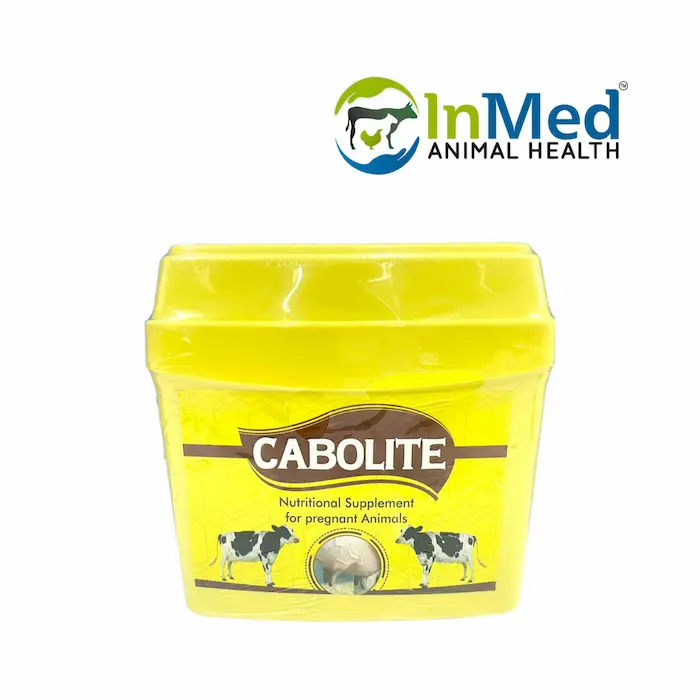
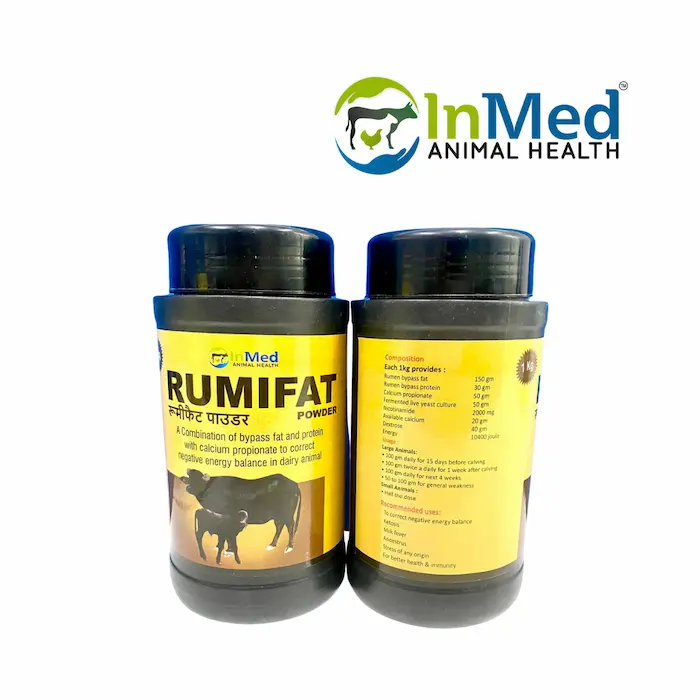
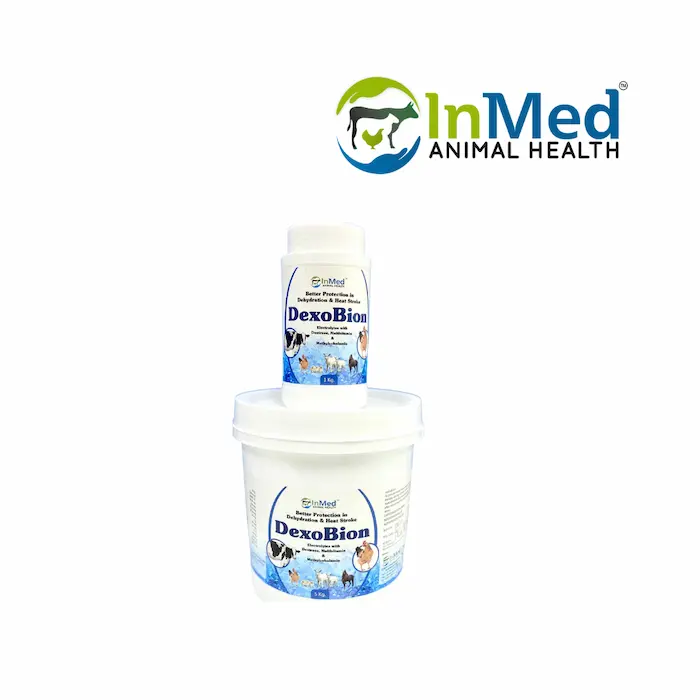
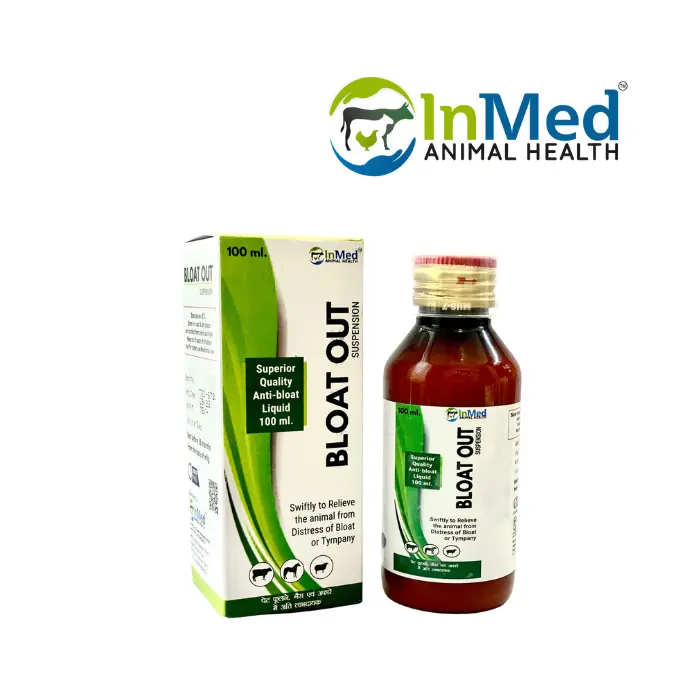
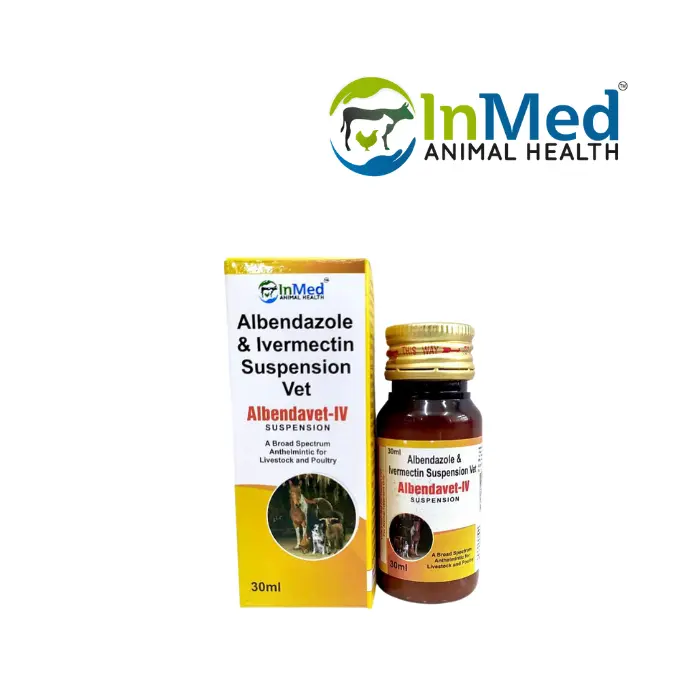
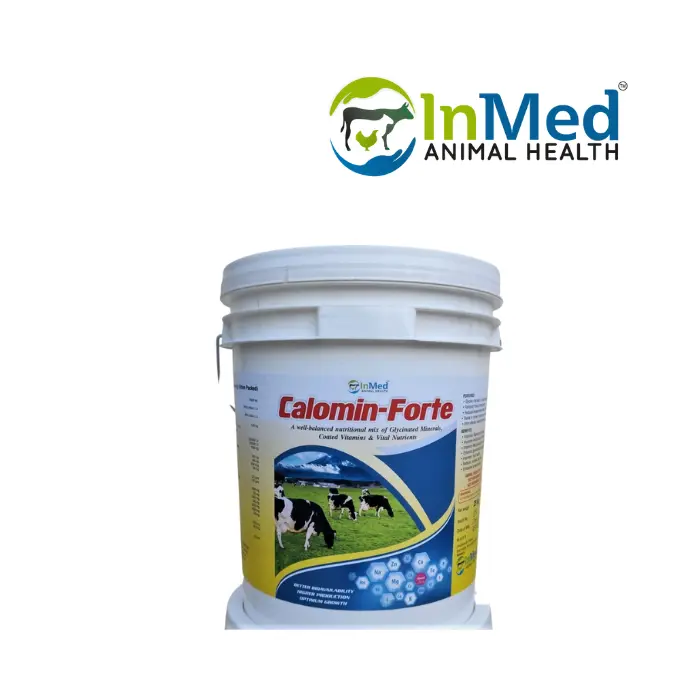


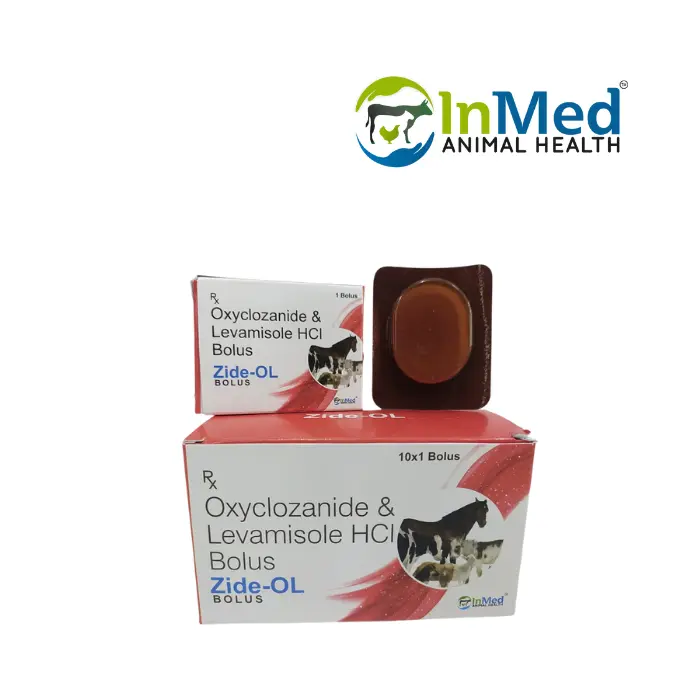

All 100% genuine, priced low for max reach. Monopoly helps here by letting you push these without competition, building trust with local vets.
How Monopoly Helps with Products: It ensures steady supply of exclusive products – no generics flooding your area. Why? Company invests in quality (like Inmed’s GMP), so you sell premium stuff at better prices. How? Dedicated logistics mean fresh stock; expand product knowledge via training.
Business Expansion: Monopoly gives breathing room to grow – start small, use profits to hire, go digital. Why? Exclusive rights build loyalty; scale to pan-India if you hit targets. How? Network with vets/farmers; trends like telemedicine help remote sales. When? After 1 year, aim for 20-30% YoY growth.
With smarts, these are surmountable – many franchises hit 5-10 lakh monthly turnover.
Getting monopoly rights? It’s contractual, not gov’t regulated (no anti-monopoly laws apply here as it’s private franchising). But follow these for smooth sailing:
General Rules (Pan India):
State-Wise Guidelines (Varies by local drug control):
No big rules against it – it’s encouraged for expansion.
A: It’s a pharma business model where a company grants exclusive marketing and distribution rights of veterinary medicines to one distributor in a specific territory.
A: Unlike regular PCD, monopoly-based ensures you face no competition from the same company in your area.
A: Products include veterinary injections, boluses, feed supplements, tablets, syrups, powders, and ointments.
A: Monopoly rights mean exclusive control of sales and marketing in a defined region like a district, city, or state.
A: Yes, a drug license and GST number are mandatory for operating legally.
A: Typically, investment ranges from ₹50,000 to ₹2 lakhs, depending on product portfolio and area.
A: Experience helps, but many companies provide training, guidance, and marketing support to new entrants.
A: Check for certifications (GMP/ISO), product range, monopoly support, reviews, and transparency.
A: Support usually includes marketing materials, promotional inputs, product training, monopoly rights, and timely delivery.
A: Yes, many companies allow territory expansion if no other distributor is appointed.
A: Yes, due to exclusive rights, low competition, and growing demand in veterinary healthcare.
A: Not always – monopoly depends on availability of vacant territory.
A: Once paperwork is complete, you can start within 1–2 weeks.
A: Drug license, GST registration, PAN card, Aadhaar, and address proof.
A: Yes, many distributors start part-time and expand full-time as profits grow.
A: Risks include poor product quality, lack of company support, or weak demand in local markets.
A: A genuine company issues a monopoly agreement/authorization letter clearly mentioning your area.
A: Rural and semi-urban areas with high cattle, poultry, and pet populations show strong demand.
A: Yes, most provide visual aids, MR bags, samples, visiting cards, brochures, and product catalogs.
A: Very promising – the Indian animal healthcare market is growing at 8–10% annually, boosting monopoly franchise opportunities.
Whew, that was a ride! Monopoly based veterinary PCD pharma is a golden opportunity, especially with champs like Inmed Animal Health leading the pack. It benefits everyone – you get exclusivity, products flow smooth, and business expands without the headaches.
Sure, challenges like competition exist, but with the right guidelines and grit, you can overcome ’em. India’s market is exploding, so if you’re eyeing animal health, grab those monopoly rights now. It’s not just business; it’s helping our furry and farm friends thrive. What are you waiting for? Reach out to Inmed and start your journey – future’s bright, folks!